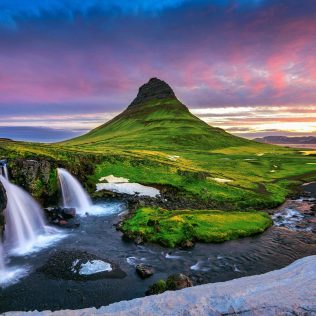
The best time to visit Iceland really depends on what kind of adventure you’re after. Want to explore Iceland’s lush landscapes and experience almost 24 hours of daylight? Then summer in Iceland (June to August) is perfect for you. If your dream is to witness the magical Northern Lights (Aurora Borealis), winter in Iceland offers the best chance, especially between late September and mid-April. Each season offers something unique—so your ideal travel time depends on your priorities, whether it’s scenic road trips, hiking, or chasing the aurora.
No matter your budget, trip length, or weather preferences, this ultimate Iceland travel guide will help you decide the best time to visit Iceland. As locals, we’ll share insider tips on seasonal highlights, top things to do in Iceland, and the most suitable rental car options for every kind of adventure. Wondering when the weather is best? Curious about when to catch the Northern Lights or explore Iceland’s top natural and historical sites? Or looking for the best place to rent a car in Iceland? Keep reading—we’ve got you covered.
Quick Overview: Iceland’s Seasons at a Glance
| Season | Months | Daylight | Temperature | Best For | Cost & Crowds |
|---|---|---|---|---|---|
| Spring | April–May | 13–20 hrs | 0 °C–10 °C | Waterfalls, budget road trips | Moderate |
| Summer | June–Aug | 20–24 hrs | 4 °C–14 °C | Midnight Sun, F-roads, puffins | Peak |
| Autumn | Sep–Oct | 8–12 hrs | 0 °C–10 °C | Northern Lights, fall colours | Fewer tourists |
| Winter | Nov–Mar | 4–8 hrs | −5 °C–5 °C | Aurora, ice caves, snow tours | Lowest prices |
1. Summer (June–August): Endless Daylight & Open Roads
Summer is Iceland’s busiest and most accessible season. The highlands open, campsites are full, and almost every attraction is reachable by car.
Highlights:
- 21+ hours of daylight under the Midnight Sun
- Open F-roads for highland adventures
- Puffins nesting along the cliffs
- Road-trip freedom on the Ring Road
Good to know:
Accommodation and car rental prices are highest. Book early — especially if you want a 4×4 from Thrifty Iceland.
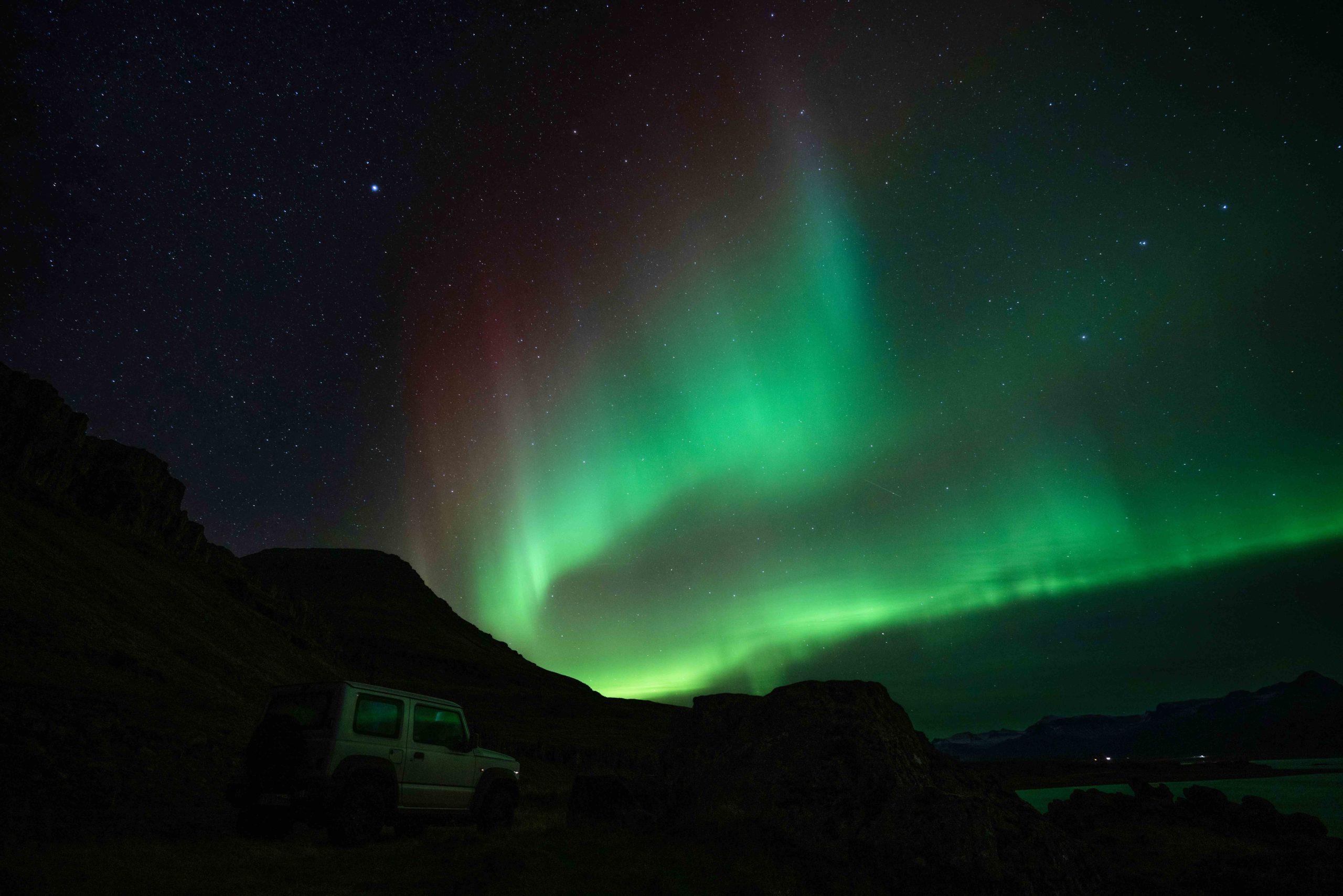
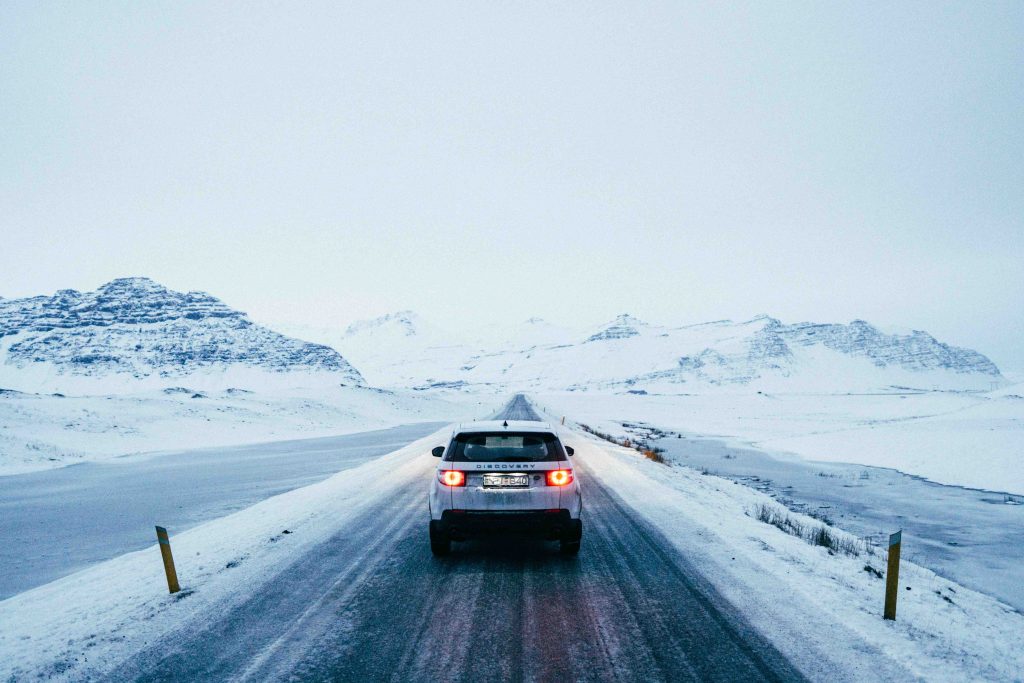
2. Winter (November–March): Northern Lights & Snowy Magic
Winter is the most dramatic season to visit Iceland. The long nights and snow-covered landscapes make it ideal for chasing the northern lights or joining glacier adventures.
Top experiences:
- Ice cave tours at Vatnajökull
- Snowmobiling on Langjökull Glacier
- Northern Lights hunting (best viewed away from city lights)
- Relaxing in hot springs under the stars
Driving Tip:
Rent a 4×4 vehicle for safety and flexibility. Winter roads can be icy or temporarily closed due to weather.
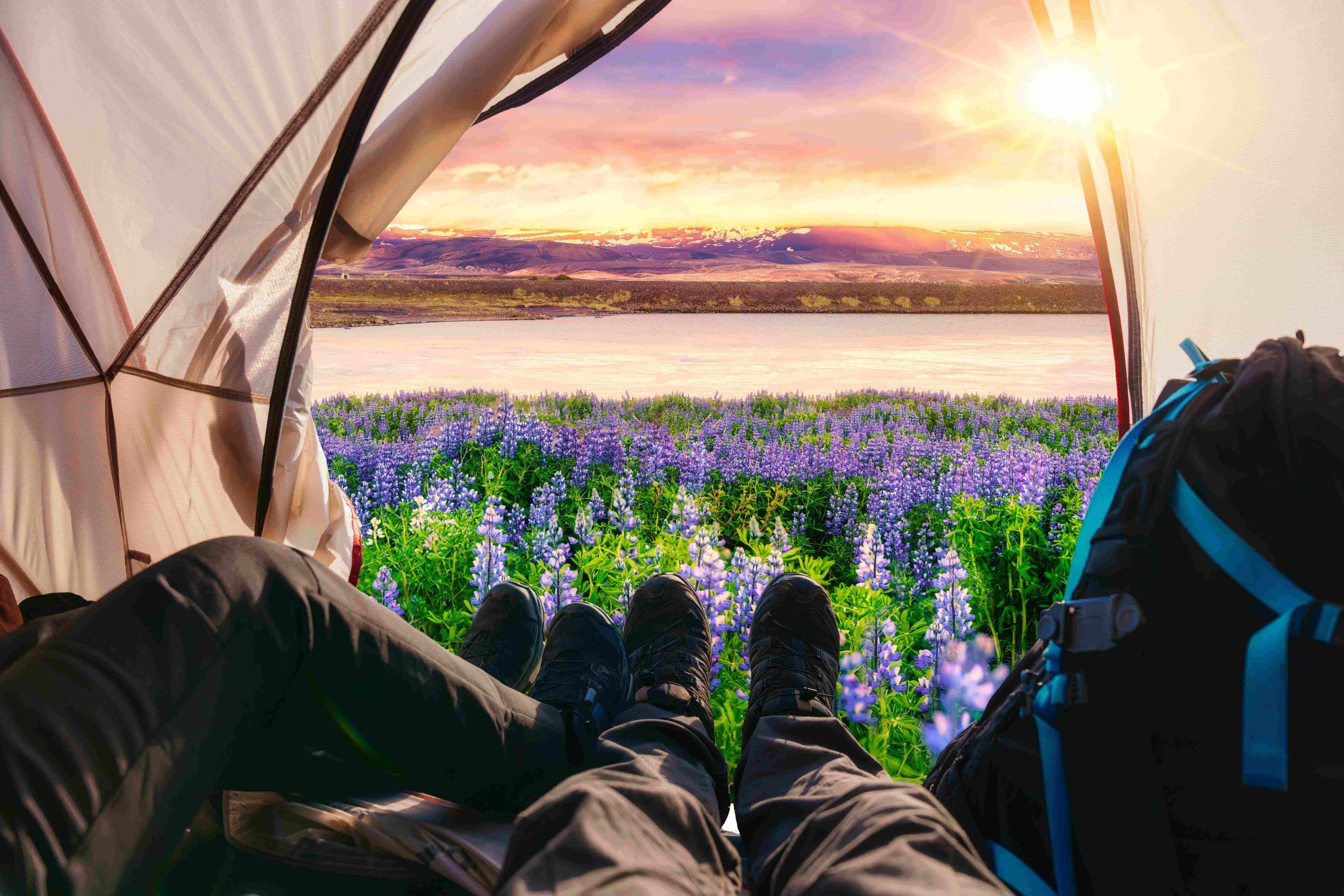
3. Spring (April–May): Budget-Friendly & Beautiful
Spring is when Iceland awakens. Roads clear, wildflowers bloom, and waterfalls are at their fullest from snowmelt.
Why locals love it:
- Cheaper rentals and hotels
- Longer daylight for exploring
- Roads reopening for early self-drive trips
- Great mix of snow-capped peaks and green valleys
It’s a great time for travellers seeking value and fewer crowds before the summer rush.
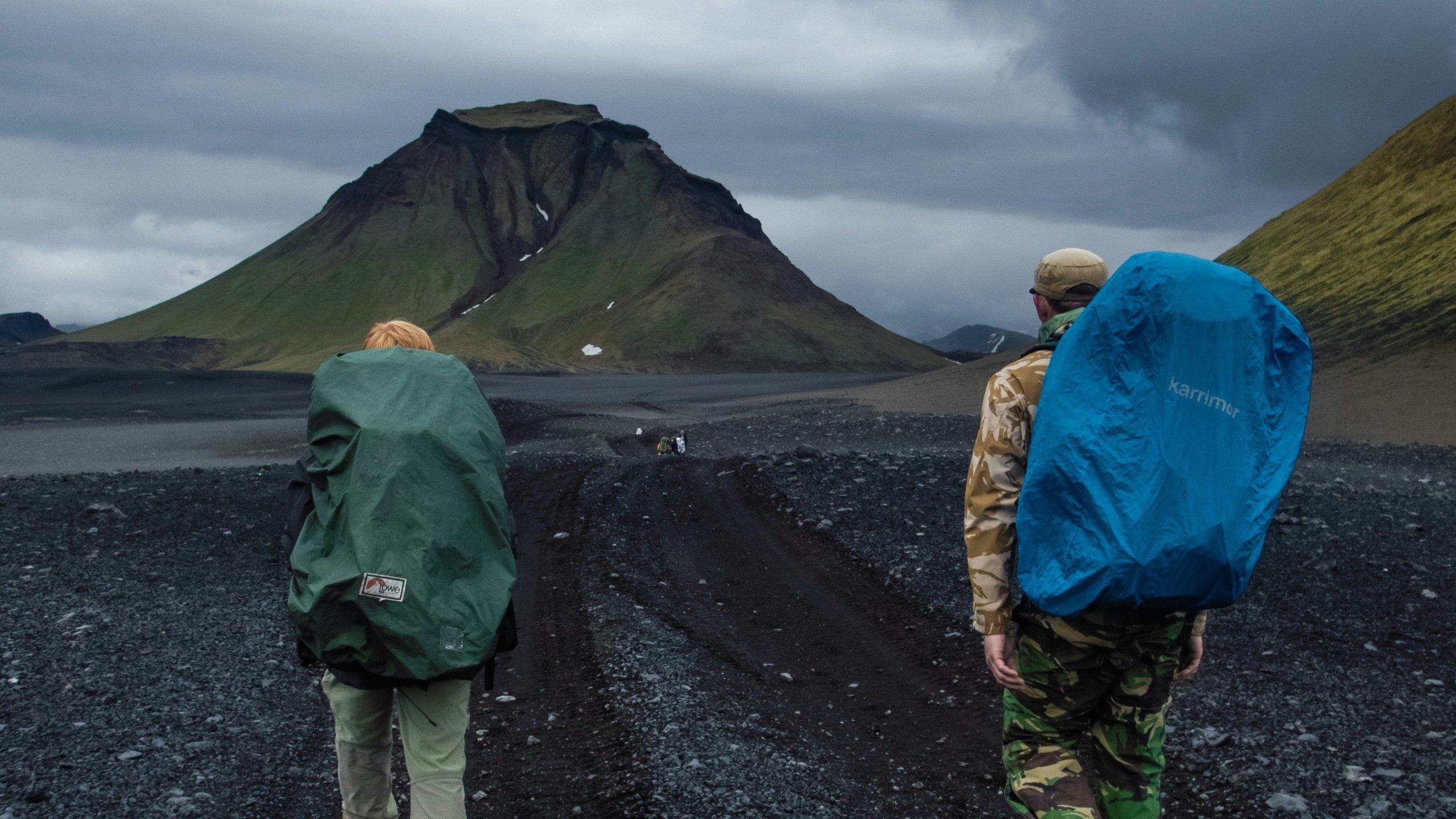
4. Autumn (September–October): Aurora Returns & Fewer Tourists
Autumn is a favourite among photographers and locals alike. Golden moss, crisp air, and the first auroras of the season make this one of Iceland’s most balanced travel windows.
What to expect:
- Stunning colours in Þingvellir and Landmannalaugar
- Lower prices compared to summer
- High aurora activity with manageable weather
- Shorter days, but enough daylight for sightseeing
It’s also ideal for flexible travellers who want the best of both worlds: some daylight, some darkness, and lower prices.
5. Month-by-Month Weather and Travel Overview
| Month | Avg Temp | Daylight Hours | Travel Highlights |
|---|---|---|---|
| Jan | −2 °C | 4 hrs | Ice caves, aurora viewing |
| Feb | −1 °C | 7 hrs | Glacier tours, northern lights |
| Mar | 1 °C | 11 hrs | Mix of winter & early spring |
| Apr | 3 °C | 16 hrs | Fewer tourists, thawing landscapes |
| May | 6 °C | 19 hrs | Waterfalls & wildflowers |
| Jun | 9 °C | 21 hrs | Midnight Sun, full road access |
| Jul | 10 °C | 20 hrs | Peak summer, highlands open |
| Aug | 9 °C | 17 hrs | Great weather, less crowded |
| Sep | 6 °C | 13 hrs | Northern Lights begin |
| Oct | 3 °C | 9 hrs | Autumn colours & aurora |
| Nov | 1 °C | 6 hrs | Early winter scenery |
| Dec | −1 °C | 4 hrs | Christmas lights & short days |
6. Local Tips for Travelling Smart
- Book early: Especially from June to August.
- Check road.is: For weather and road closures daily.
- Drive a 4×4 in winter: Safer on icy or gravel roads.
- Pack layers: Icelandic weather changes hourly.
- Travel slow: The best spots are often between the popular stops.
7. Which Season Fits You Best?
| Traveller Type | Recommended Time | Why |
|---|---|---|
| Photographers | Sep–Oct | Aurora + autumn colours |
| Budget Travellers | Apr–May, Oct–Nov | Lower prices & fewer crowds |
| Families | Jun–Aug | Long daylight, easy driving |
| Adventure Seekers | Dec–Mar | Ice caves, snowmobiling |
| Road-trip Lovers | May–Sep | All roads open |
8. Final Thoughts
Every season in Iceland has something unique to offer.
Whether it’s the Midnight Sun, frozen waterfalls, or aurora dancing in the sky — there’s no wrong time to visit.
For a smooth self-drive experience, rent a car with Thrifty Iceland directly at Keflavík Airport and start exploring at your own pace.
FAQ
- What is the best month to visit Iceland?
July and August are the most popular months with the best weather and long daylight hours. For fewer crowds, visit in May or September.
- When can you see the Northern Lights in Iceland?
From late September to March, when nights are longest and skies are dark enough for aurora activity.
- Is winter a good time to visit Iceland?
Yes! Winter offers ice caves, snowmobiling, and northern lights, though driving conditions can be challenging — a 4×4 rental is recommended.
- When is the cheapest time to travel to Iceland?
Late autumn and spring (April–May, October–November) usually offer the best flight and rental car deals.
- What is the warmest month in Iceland?
July is the warmest month, averaging around 10 °C, with mild weather ideal for hiking and camping.