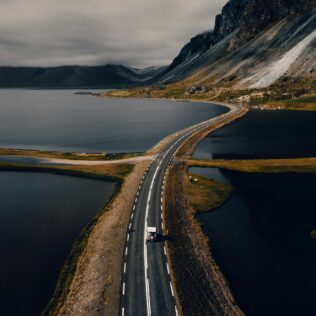
If you’re planning an unforgettable Nordic adventure, you’ve probably found yourself comparing Iceland and Norway. Both countries offer breathtaking scenery, incredible road trips, dramatic mountains, waterfalls, fjords, and the chance to see the Northern Lights. But one question often comes up before booking flights:
Is Iceland or Norway cheaper to visit?
The answer isn’t as straightforward as you might think.
Both countries are known for having a relatively high cost of living, but the way you’ll spend your money—and how much you’ll spend—can vary depending on your travel style.
In this guide, we’ll compare Iceland and Norway across accommodation, food, transport, attractions, and car rental to help you decide which destination offers better value for your budget.
Iceland vs Norway at a Glance
| Expense | Iceland | Norway |
|---|---|---|
| Flights | Often cheaper from North America | Often cheaper from mainland Europe |
| Accommodation | Expensive | Usually more expensive |
| Restaurants | Expensive | Often among Europe’s most expensive |
| Supermarkets | Moderate | Expensive |
| Car Rental | Good value | Usually more expensive |
| Fuel | Similar | Slightly higher on average |
| Attractions | Many are free | Many are free |
| Public Transport | Limited outside Reykjavík | Excellent but expensive |
| Best for Road Trips | ⭐⭐⭐⭐⭐ | ⭐⭐⭐⭐☆ |
| Overall Budget | High | Very High |
Accommodation Costs
Accommodation is one of the biggest expenses in both countries.
In Iceland, you’ll find:
- Guesthouses
- Hotels
- Cabins
- Farm stays
- Hostels
- Campsites (summer)
Prices increase during summer, but travelers have plenty of options across different budgets.
Norway also offers a wide range of accommodation, but hotels—particularly in cities like Oslo, Bergen, and Tromsø—are often noticeably more expensive than similar options in Iceland.
Winner: Iceland
Accommodation can still be pricey, but travelers often have more affordable choices, especially outside Reykjavík.
Food Prices
Neither Iceland nor Norway is known as a budget food destination.
Restaurant meals can be expensive in both countries, particularly in tourist areas.
However, there are plenty of ways to save money.
In Iceland, many travelers shop at supermarkets, cook in guesthouses, or grab quick meals from bakeries, food halls, and local cafés.
Norway’s grocery prices also tend to be high, and eating out can quickly become one of the largest expenses of your trip.
Budget Tip
Shopping at supermarkets rather than dining out every day can save hundreds of euros over a week-long trip.
Winner: Slight Advantage to Iceland
While both countries are expensive, Iceland generally offers slightly better value for casual dining and groceries.
Transportation Costs
Transportation is where the two destinations begin to differ significantly.
Getting Around Iceland
Outside Reykjavík, public transport is limited.
Most visitors choose to rent a vehicle, giving them complete freedom to explore waterfalls, glaciers, volcanoes, black sand beaches, and geothermal areas.
Because Iceland is designed for road trips, driving often becomes the most efficient—and surprisingly economical—way to travel, especially for couples, families, or groups.
Getting Around Norway
Norway has one of Europe’s best public transportation systems.
You’ll find:
- Trains
- Ferries
- Domestic flights
- Long-distance buses
While excellent, these services can become expensive, especially if you’re visiting multiple regions.
Many travelers also need domestic flights to reach Northern Norway.
Winner: Iceland
Although renting a car is an extra expense, it often provides better value than combining trains, ferries, buses, and flights in Norway.
Car Rental Costs
One of the biggest advantages of visiting Iceland is how well suited it is for self-drive holidays.
Most of Iceland’s famous attractions are connected by the Ring Road or other paved routes, making it easy to build an itinerary around your own schedule.
Compared with Norway, rental vehicles in Iceland are often more competitively priced, particularly during the shoulder seasons.
With one rental vehicle, you can visit:
- Waterfalls
- Glaciers
- Volcanoes
- Black sand beaches
- Hot springs
- Lava fields
- National parks
without needing additional transport.
For travelers splitting costs between two or more people, renting a car often becomes one of the best-value parts of the trip.
Fuel Costs
Fuel prices fluctuate regularly, but Iceland and Norway are generally comparable.
While Norway produces oil, fuel taxes mean prices remain relatively high.
Because attractions in Iceland are concentrated along popular routes like the Golden Circle and South Coast, many travelers find they cover fewer kilometres than expected.
Winner: Tie
Fuel costs are similar in both countries.
Attractions and Activities
One area where Iceland really shines is the number of incredible natural attractions that are completely free.
You can visit:
- Waterfalls
- Black sand beaches
- Lava fields
- Mountains
- Coastal cliffs
- Geothermal landscapes
- Scenic viewpoints
without paying an entrance fee.
Of course, some attractions—such as geothermal spas, glacier hikes, and ice cave tours—do require admission.
Norway also has spectacular natural attractions, including fjords and mountain hikes, many of which are free to enjoy.
Winner: Tie
Nature lovers can enjoy incredible scenery in both countries without spending much.
Which Country Is Better for Budget Road Trips?
If your dream holiday involves driving through unforgettable scenery, Iceland is difficult to beat.
The country’s compact size means you can experience a huge variety of landscapes in just one trip.
Within a few days, you could visit:
- Waterfalls
- Volcanoes
- Glaciers
- Black sand beaches
- Ice lagoons
- Geothermal hot springs
- Charming fishing villages
without needing domestic flights or long train journeys.
Norway offers equally spectacular scenery, but distances are greater and travel logistics can become more expensive.
Sample Daily Budget Comparison
| Budget Item | Iceland | Norway |
|---|---|---|
| Budget Hotel | €120–220 | €150–280 |
| Restaurant Meal | €20–40 | €25–50 |
| Grocery Shopping | €15–30 | €20–35 |
| Rental Car (shared) | €40–100/day | €60–130/day |
| Fuel | Similar | Similar |
| Free Attractions | Many | Many |
Prices are approximate and vary by season, destination, and travel style.
Can You Visit Iceland on a Budget?
Absolutely.
Many travelers assume Iceland is unaffordable, but careful planning can significantly reduce costs.
Some of the best ways to save include:
- Travel during spring or autumn
- Rent a vehicle and split costs with friends
- Stay in guesthouses or cabins
- Shop at supermarkets
- Visit free natural attractions
- Plan your own road trip instead of booking guided tours
A self-drive holiday often provides much better value than joining multiple day tours.
So, Which Country Is Cheaper?
Neither Iceland nor Norway is a budget destination, but for many travelers, Iceland offers better overall value.
While accommodation, food, and fuel are still relatively expensive, Iceland’s compact size, extensive network of free natural attractions, and affordable self-drive opportunities help keep overall travel costs under control.
Norway remains an incredible destination, but longer travel distances, higher hotel prices, and the need for additional transport between regions can make a trip more expensive.
If you’re looking for dramatic landscapes, unforgettable road trips, and the flexibility to explore at your own pace, Iceland often delivers more experiences for your travel budget.
FAQ
- Is Iceland cheaper than Norway?
Generally, yes. Both countries are expensive, but many travelers find Iceland offers better overall value thanks to lower accommodation costs in some regions, competitive car rental prices, and shorter travel distances.
- Is food cheaper in Iceland or Norway?
Food prices are high in both countries, but casual dining and supermarket shopping are often slightly more affordable in Iceland.
- Is renting a car cheaper in Iceland or Norway?
Rental vehicles are often more competitively priced in Iceland, especially when traveling during the shoulder seasons or sharing costs with others.
- Can you visit Iceland on a budget?
Yes. Staying in guesthouses, cooking your own meals, traveling outside peak summer, and visiting free natural attractions can make Iceland much more affordable.
- Iceland vs Norway: Which destination is better for a road trip?
Iceland is often considered one of the world’s best self-drive destinations thanks to its compact size, scenic roads, and concentration of iconic attractions.
- Which destination offers better value?
For most travelers, Iceland provides better value because you can experience waterfalls, glaciers, volcanoes, black sand beaches, and geothermal landscapes in one relatively compact road trip without relying on expensive domestic transport.
Conclusion
When comparing Iceland vs Norway on cost alone, Iceland usually comes out ahead. Although neither destination is inexpensive, Iceland makes it easier to stretch your travel budget by combining affordable self-drive adventures with countless free natural attractions.
For travelers who want to experience spectacular scenery, unforgettable road trips, and excellent value for money, Iceland is hard to beat. Renting a car gives you the flexibility to explore at your own pace, discover places beyond the typical tourist route, and make the most of every day in the Land of Fire and Ice.