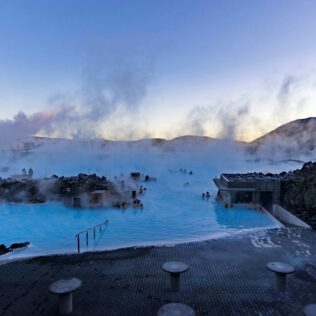
The Blue Lagoon is one of Iceland’s most famous attractions. With its bright blue geothermal water, volcanic surroundings, and luxurious spa facilities, it has become a bucket-list experience for many visitors.
However, if you’re planning a budget trip to Iceland, you may find yourself asking an important question: Is the Blue Lagoon actually worth the cost?
The answer depends on your travel style, budget, and what you want to experience during your time in Iceland. While some travelers consider it the highlight of their trip, others prefer to spend their money on waterfalls, road trips, hiking adventures, or more affordable geothermal pools.
In this guide, we’ll break down the costs, pros and cons, alternatives, and ways to visit the Blue Lagoon without blowing your Iceland travel budget.
What Is the Blue Lagoon?
The Blue Lagoon is a geothermal spa located on the Reykjanes Peninsula in Southwest Iceland. It sits between Keflavík International Airport and Reykjavík, making it a convenient stop either immediately after arriving in Iceland or before flying home.
The lagoon is fed by mineral-rich geothermal seawater containing silica, algae, and minerals that give the water its famous milky-blue color.
Visitors can enjoy:
- Warm geothermal water year-round
- Silica mud masks
- Steam rooms and saunas
- Swim-up bar
- Relaxation areas
- Spa treatments (additional cost)
- Lava field surroundings
Water temperatures generally range between 37°C and 40°C (98°F to 104°F), making it comfortable in both summer and winter.
How Much Does the Blue Lagoon Cost?
The biggest concern for budget travelers is usually the price.
Blue Lagoon admission uses dynamic pricing, meaning rates vary depending on season, demand, and time of day.
| Package | Typical Price Range |
|---|---|
| Comfort Admission | €70–€110+ |
| Premium Admission | €95–€140+ |
| Signature Spa Packages | €120–€200+ |
The basic Comfort package typically includes:
- Lagoon admission
- Silica mud mask
- Towel
- One drink
For a couple or family, costs can add up quickly.
Example Budget Comparison
| Activity | Approximate Cost |
|---|---|
| Blue Lagoon Entry | €70–€110+ |
| Reykjavík Public Pool | €8–€12 |
| Local Hot Spring Pool | €5–€15 |
| Waterfall Visit | Free |
| Hiking Trail | Free |
| Black Sand Beach Visit | Free |
For travelers trying to keep expenses low, this price difference is significant.
Why Many Travelers Still Think It’s Worth It
Despite the cost, the Blue Lagoon remains one of Iceland’s most popular attractions for several reasons.
It’s a Unique Iceland Experience
The combination of steaming blue water, black lava fields, and geothermal energy creates a setting unlike most spas in the world.
While Iceland has many swimming pools and hot springs, few offer the same atmosphere.
Convenient Location
The Blue Lagoon is only about:
- 20 minutes from Keflavík Airport
- 45 minutes from Reykjavík
Many travelers visit directly after landing or before departing, making it easy to fit into a short itinerary.
Great in Any Season
Whether you’re visiting during summer’s long daylight hours or winter’s snowy landscapes, the experience remains enjoyable.
Winter visitors often love soaking in warm water while surrounded by snow and steam.
Comfortable for First-Time Visitors
Unlike some natural hot springs, the Blue Lagoon offers:
- Changing facilities
- Showers
- Restaurants
- Lockers
- Easy access
- Lifeguards
This makes it particularly appealing for travelers seeking convenience.
Why Some Budget Travelers Skip It
The Blue Lagoon isn’t the perfect choice for everyone.
The Price Is High
For the cost of one Blue Lagoon visit, you could potentially:
- Fill a rental car with fuel
- Visit multiple public pools
- Pay for a glacier hike
- Add another day to your accommodation budget
For travelers prioritizing experiences over luxury, this may be difficult to justify.
It Can Be Crowded
Because it’s one of Iceland’s most famous attractions, the Blue Lagoon can become busy, especially during peak travel periods.
Although visitor numbers are managed through timed entry, it may still feel crowded compared to Iceland’s more remote hot springs.
There Are Cheaper Alternatives
Iceland is filled with geothermal pools and hot springs that offer relaxing experiences for a fraction of the cost.
Budget-Friendly Alternatives to the Blue Lagoon
Sky Lagoon
Sky Lagoon has become one of Iceland’s most popular geothermal spas.
Many travelers prefer it because:
- Ocean views
- Seven-step wellness ritual
- Closer to Reykjavík
- Modern facilities
However, prices are often similar to the Blue Lagoon.
Reykjavík Public Pools
Many visitors overlook Iceland’s local swimming pools.
Popular options include:
- Laugardalslaug
- Vesturbæjarlaug
- Árbæjarlaug
Most cost less than €15 and offer:
- Hot tubs
- Steam rooms
- Geothermal water
- Authentic local culture
Secret Lagoon
Secret Lagoon is often considered one of the best-value geothermal bathing experiences in Iceland.
Benefits include:
- Lower admission prices
- Natural geothermal setting
- Located near the Golden Circle
- Less commercial atmosphere
Forest Lagoon
Forest Lagoon in North Iceland has become increasingly popular.
Visitors enjoy:
- Fjord views
- Modern facilities
- Relaxed atmosphere
- Lower visitor numbers
How to Visit the Blue Lagoon on a Budget
If you still want to experience the Blue Lagoon without overspending, there are a few strategies.
Book Early
Prices generally increase as popular time slots fill up.
Booking several weeks or months ahead often provides more options and potentially lower prices.
Choose the Comfort Package
The Comfort package includes everything most visitors need.
Many travelers find that upgrading isn’t necessary.
Visit at the Start or End of Your Trip
Because the Blue Lagoon is close to Keflavík Airport, combining it with your arrival or departure day can save both time and transportation costs.
Rent a Car Instead of Taking Multiple Transfers
If you’re already planning a road trip, picking up an affordable rental car allows you to combine the Blue Lagoon with other attractions on the Reykjanes Peninsula.
Popular nearby stops include:
- Gunnuhver
- Reykjanesviti
- Bridge Between Continents
This helps maximize the value of your day.
Should Budget Travelers Visit the Blue Lagoon?
Here’s a simple way to decide.
The Blue Lagoon Is Probably Worth It If:
- It’s your first trip to Iceland
- It’s on your bucket list
- You enjoy spa experiences
- You want a convenient geothermal bathing experience
- You’re staying in Iceland for a short time
You Might Skip It If:
- You’re traveling on a very tight budget
- You prefer nature-based activities
- You’re visiting Iceland for an extended road trip
- You’d rather spend money on tours or outdoor adventures
- You’re planning to visit multiple geothermal pools already
Best Rental Car for Visiting the Blue Lagoon
The roads between Keflavík Airport, Reykjavík, and the Blue Lagoon are paved and maintained year-round.
Summer
Suitable options include:
- Economy cars
- Compact cars
- 2WD vehicles
Winter
While a 2WD vehicle is usually sufficient for this route, many visitors prefer a 4×4 rental during winter for added confidence when exploring beyond the capital area.
Affordable options often include:
- Dacia Duster 4×4
- Toyota RAV4 4×4
- Kia Sportage 4×4
FAQ
- Is the Blue Lagoon worth the money?
For many first-time visitors to Iceland, the Blue Lagoon is worth the cost because of its unique geothermal waters, lava field surroundings, and world-famous reputation. However, if you’re traveling on a strict budget, you may find better value in Iceland’s public pools or smaller geothermal lagoons.
- What is the cheapest way to visit the Blue Lagoon?
The cheapest option is usually to book the Comfort package well in advance, as prices can increase during busy periods. Visiting as part of your airport arrival or departure day can also help save time and transportation costs.
- How much does Blue Lagoon admission cost?
Prices vary depending on the season and demand. The Comfort package typically starts around €70 but can exceed €100 during peak travel periods. Premium and spa packages cost more.
- Is the Blue Lagoon free with Icelandair stopovers?
No. The Blue Lagoon is a separate attraction and requires a paid admission ticket regardless of your airline or stopover program.
- Can you visit the Blue Lagoon without a car?
Yes. Many visitors use shuttle buses from Reykjavík or Keflavík Airport. However, renting a car gives you more flexibility and allows you to explore other attractions on the Reykjanes Peninsula during the same trip.
- How long should I spend at the Blue Lagoon?
Most visitors spend between 2 and 4 hours at the Blue Lagoon. This provides enough time to enjoy the geothermal waters, silica mud masks, steam rooms, and facilities without feeling rushed.
- Is the Blue Lagoon suitable for children?
Yes. Children aged 2 years and older are welcome at the Blue Lagoon when accompanied by an adult. Families should check the latest age restrictions and guidelines before visiting.
- Is the Blue Lagoon open year-round?
Yes. The Blue Lagoon is open throughout the year, including winter. The warm geothermal water makes it a popular attraction regardless of season.
- What should I bring to the Blue Lagoon?
You should bring:
- Swimsuit
- Waterproof phone case (optional)
- Hair conditioner
- Sunglasses during summer
- Comfortable clothing for before and after bathing
Towels are included with most admission packages.
- Does the Blue Lagoon damage your hair?
The silica in the water can leave hair feeling dry or stiff. Applying conditioner before entering the lagoon and thoroughly washing your hair afterward can help protect it.
- Is the Blue Lagoon better than Sky Lagoon?
The answer depends on personal preference. The Blue Lagoon offers a unique geothermal setting surrounded by lava fields, while Sky Lagoon focuses on ocean views and its seven-step spa ritual. Both are popular choices, but the Blue Lagoon is generally considered Iceland’s most iconic geothermal spa.
- Are there cheaper alternatives to the Blue Lagoon?
Yes. Popular budget-friendly alternatives include the Secret Lagoon, Reykjavík’s public swimming pools, Forest Lagoon in North Iceland, and various local geothermal pools across the country.
- Can I visit the Blue Lagoon in winter?
Absolutely. Winter is one of the most popular times to visit. Many travelers enjoy soaking in the warm water while surrounded by snow, steam, and dramatic winter landscapes.
- Is one visit to the Blue Lagoon enough?
For most visitors, a single visit is enough to experience everything the Blue Lagoon has to offer. Many travelers include it as a memorable stop at the beginning or end of their Iceland trip.
- Should budget travelers visit the Blue Lagoon?
If visiting the Blue Lagoon is a bucket-list experience for you, it can be worth allocating part of your budget toward it. However, travelers focused on maximizing experiences for the lowest cost may prefer spending their money on road trips, hiking, waterfalls, or Iceland’s more affordable geothermal pools.
Final Verdict: Is the Blue Lagoon Worth It?
For many first-time visitors, the Blue Lagoon is worth experiencing at least once. The setting is unique, the facilities are excellent, and it offers one of Iceland’s most iconic geothermal bathing experiences.
However, if you’re traveling on a strict budget, there are plenty of alternative geothermal pools and hot springs that provide a fantastic Icelandic bathing experience for a fraction of the cost.
Ultimately, the Blue Lagoon isn’t a necessity for an amazing trip to Iceland—but for many travelers, it’s one of those memorable experiences that becomes a highlight of their visit.
If it’s been on your Iceland bucket list, consider booking the basic package, planning ahead, and combining it with a rental car adventure around the Reykjanes Peninsula to get the most value from your day.