When planning a trip to Iceland, many first-time visitors immediately think of Reykjavík, the Golden Circle and the South Coast. These are popular routes for good reason, but they are far from the only way to experience Iceland.
Head north and you’ll find waterfalls, geothermal landscapes, volcanic formations, fishing villages, whale-watching destinations and some of Iceland’s most scenic driving routes.
A North Iceland road trip is a great alternative for travellers who want to explore beyond the country’s most famous attractions. With Akureyri as a convenient base and the Diamond Circle connecting several major sights, North Iceland works well as either a standalone itinerary or part of a longer Ring Road trip.
In this guide, we’ll cover the best places to visit in North Iceland, how many days you need, when to go and what type of rental car works best for the journey.
Why Visit North Iceland?
North Iceland offers many of the experiences people travel to Iceland for, but in a very different setting from the busy southwest.
Within one trip, you can explore geothermal areas around Lake Mývatn, stand beside powerful waterfalls, visit small coastal communities and go whale watching from Eyjafjörður or Húsavík.
Some of the biggest reasons to consider a North Iceland itinerary include:
- The Diamond Circle, one of Iceland’s best self-drive routes
- Akureyri, often called the capital of North Iceland
- Lake Mývatn and its volcanic landscapes
- Goðafoss and Dettifoss waterfalls
- Whale watching from Húsavík and Hauganes
- Geothermal bathing
- Scenic fjords and fishing villages
- Fewer visitors in many areas compared with Iceland’s most popular southern attractions
For travellers who enjoy exploring Iceland by car, the north also gives you plenty of opportunities to stop at smaller viewpoints and attractions along the way.
How Do You Get to North Iceland?
There are several ways to include North Iceland in your itinerary.
Drive from Reykjavík to Akureyri
Akureyri is approximately 390 km from Reykjavík, and the drive normally takes around 4.5–5 hours without long stops.
The route follows Iceland’s Route 1, better known as the Ring Road.
However, turning the journey into a full-day road trip is often much more enjoyable. There are several places worth stopping along the way, including Borgarnes, Grábrók crater, Hvítserkur and Kolugljúfur canyon, depending on how much time you have.
Fly to Akureyri
Another option is to take a domestic flight from Reykjavík to Akureyri and rent a car after arriving.
This can be particularly useful for travellers who want to concentrate their holiday entirely on North Iceland rather than spending part of their trip driving between Reykjavík and Akureyri.
How Many Days Do You Need in North Iceland?
We recommend allowing at least three to five days for a North Iceland road trip.
Three days gives you enough time to see several major attractions, while five days allows you to explore at a more relaxed pace and include smaller towns, geothermal baths and additional coastal routes.
If North Iceland is part of a complete Ring Road trip, you can easily incorporate these destinations into a longer 7–10 day Iceland itinerary.
5-Day North Iceland Road Trip Itinerary
Day 1: Reykjavík to Akureyri
Start your journey by travelling north from Reykjavík along Route 1.
Instead of treating this purely as a transfer day, make a few stops along the way. Depending on your schedule, you could visit Borgarnes, Grábrók volcanic crater or take a short detour towards Hvítserkur.
Continue north through the landscapes of Northwest Iceland before arriving in Akureyri.
Spend the evening exploring the town centre, harbour and waterfront.
Day 2: Akureyri, Goðafoss and Lake Mývatn
Leave Akureyri and follow Route 1 east towards one of North Iceland’s most famous waterfalls: Goðafoss.
The waterfall is conveniently located close to the main road, making it an easy stop on your journey towards Lake Mývatn.
Continue east to the Mývatn area, where you’ll find some of Iceland’s most unusual volcanic and geothermal landscapes.
Popular places to visit include:
- Skútustaðagígar pseudocraters
- Dimmuborgir lava formations
- Hverfjall crater
- Grjótagjá lava cave
- Hverir geothermal area
- Krafla volcanic area
You can easily spend an entire day exploring this region.
Finish your day with a geothermal soak before staying overnight around Mývatn.
Day 3: Dettifoss and Húsavík
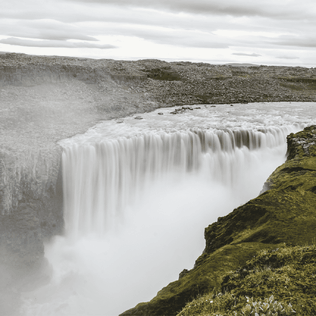
Continue your North Iceland road trip towards Dettifoss, one of Europe’s most powerful waterfalls.
Dettifoss is part of Vatnajökull National Park and one of the highlights of the Diamond Circle.
After visiting the waterfall, continue towards Húsavík.
Known for its connection to whale watching, Húsavík sits on the shores of Skjálfandi Bay and is one of North Iceland’s best-known coastal towns.
Spend some time walking around the harbour or join a whale-watching tour before staying overnight in the area.
Day 4: Húsavík to Akureyri and Eyjafjörður
On day four, head back towards Akureyri, but don’t rush the journey.
The Eyjafjörður region has several smaller communities that are worth exploring by car.
One option is Hauganes, a small fishing village on the western side of Eyjafjörður. The village is known for whale watching and its peaceful coastal setting.
You can also explore Dalvík before returning towards Akureyri.
Spend another evening in Akureyri and visit one of the town’s restaurants, cafés or swimming pools.
Day 5: Akureyri to Reykjavík
Begin the drive south towards Reykjavík.
Allow plenty of time for stops along the way, especially if you skipped some attractions during your journey north.
Alternatively, travellers continuing around Iceland’s Ring Road can head east from the Mývatn region towards Egilsstaðir and the Eastfjords instead of returning to Reykjavík.
Drive the Diamond Circle
If you’re visiting North Iceland, the Diamond Circle should be high on your itinerary.
The route connects several of the region’s most famous attractions and is often considered North Iceland’s answer to the Golden Circle.
Major Diamond Circle stops include:
Goðafoss – A wide, horseshoe-shaped waterfall conveniently located near Route 1.
Lake Mývatn – A volcanic lake surrounded by craters, lava formations and geothermal landscapes.
Dettifoss – One of Iceland’s most powerful waterfalls.
Ásbyrgi Canyon – A dramatic horseshoe-shaped canyon surrounded by high cliffs.
Húsavík – A coastal town famous for whale watching.
You don’t necessarily need to complete the entire Diamond Circle in one day. Splitting it across two or three days gives you more time to explore each area.
Don’t Skip Akureyri
Akureyri is much more than a place to sleep between road trips.
Despite being relatively small, the town has restaurants, cafés, museums, shops, a botanical garden and one of Iceland’s popular public swimming pools.
Its location at the end of Eyjafjörður also makes it a useful base for exploring the surrounding region.
From Akureyri, you can easily take day trips towards Goðafoss, Lake Mývatn, Húsavík, Dalvík and Hauganes.
When Is the Best Time to Visit North Iceland?
The best time depends on what you want to do.
North Iceland in Summer
June through August offers long daylight hours and generally the easiest conditions for a North Iceland road trip.
Summer is particularly convenient if you want to spend long days sightseeing, hiking and exploring smaller roads.
Around June, the midnight sun also means there is very little darkness, giving you much more flexibility when planning your driving days.
North Iceland in Autumn
September and October bring shorter days, autumn landscapes and the return of dark nights.
This also marks the beginning of the Northern Lights season, which normally runs from around September through April.
If you’re hoping to see the aurora, staying outside larger towns can give you easier access to darker skies.
North Iceland in Winter
Winter completely changes the character of North Iceland.
Snow-covered mountains, frozen landscapes and dark evenings can make the region beautiful to visit, but winter driving requires more planning.
Daylight is limited, weather can affect travel plans, and drivers should always check current road and weather information before setting out.
North Iceland in Spring
April and May are transition months.
Days become considerably longer, while visitor numbers can be lower than during peak summer.
However, winter conditions can still occur, particularly earlier in spring and in higher areas.
Do You Need a 4×4 in North Iceland?
Not necessarily.
During summer, many of the main attractions in North Iceland can be reached using paved roads and a standard rental car.
However, a 4×4 rental can be a practical choice if you’re travelling during autumn or winter, planning to explore more remote areas or simply want a vehicle better suited to your itinerary.
Remember that road access can vary by season.
If your route includes Iceland’s F-roads, you must use a suitable 4×4 vehicle. F-roads are generally only open during the summer, and opening dates vary depending on conditions.
Always check your planned route and vehicle restrictions before travelling.
Driving in North Iceland: What to Know
Driving is one of the easiest ways to explore North Iceland because many attractions are spread across a large area.
Before setting out each day, check the latest conditions on road.is and the Icelandic Met Office at en.vedur.is.
Drivers should also be prepared for:
- Single-lane bridges
- Gravel sections on some secondary roads
- Strong winds
- Reduced visibility
- Snow and ice outside the summer season
- Sheep close to roads in rural areas
- Longer distances between services in remote areas
Always stay on marked roads. Off-road driving is illegal in Iceland and can cause permanent damage to the country’s fragile landscape.
What to Pack for a North Iceland Road Trip
Icelandic weather can change quickly, so layers are useful throughout the year.
For a North Iceland road trip, consider packing:
- Waterproof jacket
- Waterproof or water-resistant trousers
- Warm mid-layer
- Comfortable walking shoes
- Hat and gloves
- Reusable water bottle
- Sunglasses
- Swimwear and towel for pools and geothermal baths
- Phone charger or power bank
During autumn and winter, add extra warm layers and footwear suitable for colder conditions.
North Iceland vs South Iceland: Which Should You Choose?
South Iceland is home to some of the country’s most famous attractions, including Seljalandsfoss, Skógafoss, Reynisfjara and Jökulsárlón.
North Iceland offers a different type of road trip.
Instead of trying to choose which region is “better,” think about what you want from your itinerary.
If this is your first short trip to Iceland and you only have two or three days, Reykjavík, the Golden Circle and South Coast can be easier to combine.
If you have more time, have already visited Iceland’s south, or simply want to build your trip around volcanic landscapes, geothermal areas, whale watching and smaller northern communities, North Iceland is well worth considering.
And if you have enough time, you don’t have to choose at all. A complete Ring Road itinerary allows you to experience both.
FAQ: Planning a North Iceland Road Trip
- Is North Iceland worth visiting?
Yes. North Iceland offers waterfalls, geothermal landscapes, volcanic attractions, whale watching, coastal villages and the Diamond Circle. It can work as a standalone road trip or as part of a longer Ring Road itinerary.
- How many days should I spend in North Iceland?
Allow at least three days, although four or five days gives you much more time to explore Akureyri, Lake Mývatn, Húsavík and the Diamond Circle without rushing.
- Can you drive from Reykjavík to Akureyri in one day?
Yes. The drive is approximately 390 km and normally takes around 4.5–5 hours without extended stops. However, allowing extra time gives you the opportunity to explore Northwest Iceland along the way.
- Can I see the Northern Lights in North Iceland?
Yes. Northern Lights season generally runs from September through April. You’ll need darkness, suitable weather and aurora activity, so sightings can never be guaranteed.
- Is the Diamond Circle worth driving?
Yes. The Diamond Circle connects several of North Iceland’s major attractions, including Goðafoss, Lake Mývatn, Dettifoss, Ásbyrgi and Húsavík.
- Do I need a 4×4 for North Iceland?
A 4×4 isn’t required for every North Iceland itinerary. Many major attractions are accessible by regular roads during summer. A 4×4 can be useful for certain routes and during colder months. If you plan to use F-roads, a suitable 4×4 is required.
- Is North Iceland good for families?
Yes. Short walks to waterfalls, geothermal attractions, swimming pools, whale watching and stops around Akureyri and Lake Mývatn can all work well for a family road trip. Plan realistic driving distances and regular stops when travelling with younger children.
Explore a Different Side of Iceland
The Golden Circle and South Coast may receive much of the attention, but Iceland doesn’t end there.
A North Iceland road trip takes you through volcanic landscapes, geothermal areas, waterfalls, fjords and small coastal communities, with Akureyri and the Diamond Circle providing an easy framework for planning your route.
Whether you’re visiting Iceland for the first time or returning to discover somewhere new, heading north can give you a completely different Iceland itinerary.
Rent a car, plan a few days around Akureyri and the Diamond Circle, and discover what lies beyond Iceland’s most familiar routes.