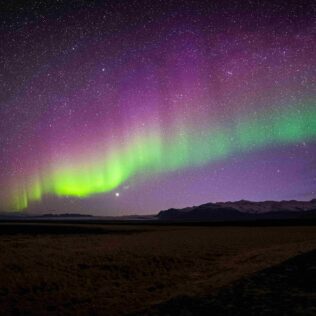
Seeing the Northern Lights in Iceland is on many travellers’ bucket lists. Every year, thousands of visitors travel to Iceland hoping to witness the spectacular green, purple, and pink lights dancing across the night sky.
If you’re already thinking about your next winter adventure, now is the perfect time to start planning your Northern Lights trip to Iceland. Booking early not only gives you more choice but can also save you money on flights, accommodation, and especially car rental in Iceland.
Here’s everything you need to know before planning your trip.
Why Plan Your Northern Lights Trip Early?
The Northern Lights season is one of Iceland’s busiest travel periods. Visitors from around the world arrive between autumn and spring, meaning the most popular hotels, rental cars, and tours can sell out months in advance.
Planning early gives you several advantages:
- Better prices on flights
- More accommodation choices
- Access to the widest range of rental cars
- Greater flexibility when building your itinerary
- More time to compare travel options
If you’re travelling during school holidays, Christmas, New Year, or February, booking early becomes even more important.
When Is the Best Time to See the Northern Lights in Iceland?
The best time to see the Northern Lights in Iceland is generally from September until early April, when the nights are dark enough for the aurora to be visible.
Each month offers something different.
September and October
Early autumn brings relatively mild weather, colourful landscapes, and long nights returning after summer.
You’ll often find:
- Less snow
- Easier driving conditions
- Good hotel availability if booked early
- Comfortable temperatures for sightseeing
November to January
These are some of the darkest months of the year, giving you long evenings to search for the aurora.
Winter also brings:
- Snow-covered landscapes
- Frozen waterfalls
- Ice caves
- Festive Christmas atmosphere
- More challenging weather conditions
Because these months are especially popular, demand for Iceland rental cars and accommodation is high.
February and March
Many travellers consider late winter one of the best times to visit Iceland.
You can enjoy:
- Excellent Northern Lights opportunities
- Increasing daylight for sightseeing
- Winter activities such as glacier hiking and snowmobiling
- Often more stable weather than mid-winter
Why Renting a Car Gives You the Best Chance of Seeing the Northern Lights
One of the biggest advantages of renting a car in Iceland is flexibility.
The aurora depends on cloud cover and solar activity. Sometimes the forecast changes with only a few hours’ notice.
Instead of staying in one location, having your own vehicle allows you to:
- Drive away from city lights
- Follow clearer skies
- Visit quieter viewing locations
- Change plans based on the weather forecast
- Combine sightseeing with evening aurora hunting
Many visitors discover that some of their best Northern Lights experiences happen completely unplanned while driving between destinations.
Should You Book Your Rental Car Early?
Absolutely.
During Northern Lights season, demand increases significantly, particularly for:
- Affordable rental cars
- Automatic vehicles
- SUVs
- 4×4 rental cars
- Family vehicles
Booking early usually gives you:
- Lower prices
- Better vehicle availability
- More pickup times
- More vehicle choices
If you wait until closer to your travel dates, prices are often higher and your preferred vehicle may no longer be available.
Do You Need a 4×4 in Winter?
Not every traveller needs a 4×4, but many visitors choose one for additional confidence on winter roads.
A 4×4 rental in Iceland is recommended if you plan to:
- Explore multiple regions
- Visit North Iceland during winter
- Travel when snow is forecast
- Drive outside major towns
- Stay in rural accommodation
For visitors mainly exploring Reykjavík and the South Coast in good weather, a two-wheel-drive vehicle may still be suitable.
Before every journey, always check current road conditions and weather forecasts.
Where Are the Best Places to See the Northern Lights?
One of the great things about Iceland is that you don’t necessarily need to travel to a famous landmark.
The key is finding:
- Dark skies
- Clear weather
- Minimal light pollution
Popular areas include:
Thingvellir National Park
Located just under an hour from Reykjavík, Thingvellir is one of the easiest places to reach and offers wide open skies.
Snæfellsnes Peninsula
Often called “Iceland in Miniature,” this peninsula combines dramatic coastlines with excellent aurora viewing opportunities.
South Coast
Waterfalls, black sand beaches, glaciers, and open countryside create incredible settings for photographing the Northern Lights.
North Iceland
If weather conditions are favourable, North Iceland often enjoys clearer skies and less light pollution than more populated areas.
Build a Flexible Itinerary
One mistake many visitors make is planning every hour of every day.
Since the Northern Lights are a natural phenomenon, flexibility is important.
Leave some evenings free so you can:
- Change your driving route
- Stay out later if conditions improve
- Visit different viewing locations
- Avoid cloudy areas
Having your own rental car makes this much easier than relying on scheduled tours.
What Else Should You Book Early?
Besides your rental car, consider booking these in advance:
- Flights
- Accommodation
- Ice cave tours
- Glacier hikes
- Blue Lagoon or other geothermal spas
- Popular restaurants in Reykjavík
Booking early helps avoid disappointment during Iceland’s busiest travel periods.
What Should You Pack?
Winter weather in Iceland changes quickly, so pack clothing you can layer.
Don’t forget:
- Waterproof jacket
- Waterproof trousers
- Insulated hiking boots
- Thermal base layers
- Hat and gloves
- Warm socks
- Camera tripod for aurora photography
- Power bank
- Reusable water bottle
Even if the forecast looks mild, temperatures can feel much colder when standing outside waiting for the lights.
How to Increase Your Chances of Seeing the Northern Lights
No one can guarantee you’ll see the aurora, but these tips improve your chances:
- Visit between September and April
- Stay for at least five to seven nights
- Travel away from city lights
- Check cloud forecasts daily
- Be flexible with your plans
- Rent a car so you can change locations
- Be patient—some of the best displays happen late at night
Remember, the Northern Lights are a natural phenomenon, so every display is unique.
Why Choose Thrifty Iceland for Your Northern Lights Adventure?
At Thrifty Iceland, we make it easy to explore the country at your own pace during aurora season.
Whether you’re planning a weekend escape or a complete Ring Road adventure, you’ll find affordable vehicles suited to Iceland’s changing winter conditions. From economical cars for city breaks to capable 4x4s for wider exploration, booking early gives you the best choice and some of the best prices.
With convenient pick-up near Keflavík International Airport (KEF), transparent pricing, and reliable vehicles, you can focus on chasing unforgettable winter experiences rather than worrying about transport.
FAQ
- When should I start planning a Northern Lights trip to Iceland?
Ideally, you should begin planning 6 to 12 months in advance, especially if you’re travelling between October and March. Booking early usually means lower prices and better availability for flights, accommodation, and rental cars.
- What is the best month to see the Northern Lights in Iceland?
February, March, October, and November are often considered some of the best months, as they offer long, dark nights while still providing plenty of daylight for sightseeing.
- Is it cheaper to book a rental car early in Iceland?
In many cases, yes. Booking your Iceland car rental several months ahead often provides access to lower prices and a wider choice of vehicles.
- Do I need a 4×4 to see the Northern Lights?
No. The Northern Lights can be seen from many locations across Iceland. However, a 4×4 may be a good option if you’re travelling during winter or exploring beyond the main roads.
- How many days should I stay in Iceland for the Northern Lights?
A stay of five to seven days gives you multiple opportunities to experience suitable weather and aurora conditions while also exploring Iceland’s famous attractions.
- Can I see the Northern Lights from Reykjavik?
Yes, but city lights can reduce visibility. Many visitors drive a short distance outside Reykjavík to find darker skies and improve their chances of seeing the aurora.
Conclusion
Planning your Northern Lights trip to Iceland early is one of the best ways to make your adventure smoother, more affordable, and more flexible. From securing the right rental car to choosing the best places to stay, early planning gives you the freedom to focus on what really matters—experiencing one of nature’s most spectacular displays.
Whether you’re dreaming of a weekend getaway or a full winter road trip, booking your Iceland car rental in advance means you’ll have the flexibility to follow clear skies, escape light pollution, and make the most of every opportunity to see the Northern Lights.