Last updated: February 2026
Summarise (click here)
- 4×4 rental cars at Thrifty Iceland are recommended for Iceland’s rugged roads, gravel surfaces, and varying weather conditions.
- A 4×4 vehicle provides better traction, stability, and higher ground clearance than standard cars, which helps on uneven terrain and in winter conditions.
- 4×4 rentals are useful for F-roads (highland routes) in summer and snow or ice in winter.
- Thrifty’s 4×4 rentals often include winter tyres (in season), unlimited mileage, and 24/7 roadside assistance.
- These vehicles are suitable for a wide range of travellers, including those exploring the Ring Road, remote gravel areas, and Iceland’s scenic highlands.
Iceland’s landscapes are unmatched, but the roads that lead to them can be rugged, unpredictable, and shaped by the weather. If you’re planning a self-drive trip, a 4×4 rental car offers the traction, clearance, stability, and adaptability that many of Iceland’s road conditions demand.
4×4 vehicles (also referred to as 4WD or AWD SUVs depending on the model) power all four wheels, which helps maintain grip when surfaces shift or turn slick. From raising safety in winter to allowing access to remote highland mountain roads in summer, a 4×4 rental car is often the most prepared option for exploring Iceland’s countryside, coastlines, and glacier approach roads.
What Makes 4×4 the Most Recommended Car Type for Driving in Iceland
1. Reliable grip on gravel and uneven roads
Iceland is one of the few countries where a paved highway can transition into stretches of gravel without warning. Gravel roads lead to waterfalls, coastal viewpoints, and villages, and 4WD systems help reduce skidding, drifting, and wheel spin by distributing power evenly.
2. Essential for F-roads (Highlands) in summer
The Highlands are a bucket-list destination for summer travellers. Routes like F35 (Kjölur) or F208 (near Landmannalaugar) are unpaved mountain roads marked with an “F,” and they are only insured and legally allowed to be driven with 4×4 vehicles. These roads usually open from late June to early or mid September, depending on snowmelt.
3. Extra stability when the wind gets strong
Coastal plains in the south and open passes in the north or east frequently bring sudden crosswinds. A 4×4 rental car tends to be a heavier SUV with better balance, making it less likely to wander sideways during gusts. This is especially important near sand plains where loose particles can blow onto Route 1.
4. Higher ground clearance protects the underbody
Iceland isn’t subtle about bumps:
- Deep potholes
- Blind hills with rocky crowns
- Snow-packed ruts in winter
- Lava-field roads that rise and dip
5. Bigger space for adventure and family travellers
A 4×4 lets travelers comfortably bring:
- Hiking boots, crampons and packs
- Camping gear
- Photography tripods and drones
- Snow-gloves and extra winter layers
Season-by-Season: Why 4×4 Rentals Matter in Iceland
| Season | Why 4×4 Is Recommended | Road Characteristics | Priority Benefit |
|---|---|---|---|
| Winter (Oct–Apr) | Essential traction for icy passes, supports winter tyres, stability in crosswinds | Snow, ice refreeze, wind-blown sand, ruts | Safety, control, braking confidence |
| Summer (late Jun–mid Sep) | Legally required for Highlands F-roads | Loose gravel, rocky track lines, rivers | Access, clearance, compliance |
| Shoulder Season (May & Sep) | Highly useful for rural gravel transitions and still-icy morning connectors | Mixed rain, mild snowmelt remnant, gravel edges | Versatility, less-risk driving |
| Late Autumn (Oct–Nov) | Useful for east and north Iceland autumn wind and early snow patches | Frozen edges, mild snowdrift or rain mix | Stability & grip |
Regions in Iceland Where 4×4 is Most Useful for Self-Drive Travelers
A 4×4 rental car improves confidence on these popular road trip zones:
- South Coast: long outwash plains with wind-blown sand occasionally crossing Route 1.
- Westfjords: winding gravel roads with sharp coastal pullouts and occasional loose shoulders.
- East Iceland (Eastfjords): hairpin gravel switchbacks and highland entry points.
- North Iceland: snowy or refrozen inclines in winter and rapid weather temperament shifts.
- Glacier approach roads near Vatnajökull: firm gravel or snow ruts depending on season.
Types of Travellers That Often Choose or Benefit From 4×4 Rentals
- Highland explorers in summer
- Winter road trippers crossing north, east, or Westfjords
- Photographers parking in gravel pullouts, lens-only angles, or open plains
- Hikers carrying crampons, weatherproof layers, backpacks
- Families needing boot and uphill hill-start capability
- Camp-light adventurers with cookware, tripod luggage, insulated bags
- Remote guesthouse drivers on unlit rural gravel roads
Where Can You Go With a 4×4? (and Where You Still Can’t Access)
You CAN access:
- The Icelandic Highlands via F-roads in summer
- Remote deserts and plains if not flooded
- Rural gravel roads to waterfalls, coastal viewpoints
- Most mountain passes with winter tyres when allowed
You STILL can’t access:
- Glacier interiors unattended
- Volcanic craters with active warnings or closures
- Private tracks or restricted conservation areas
- Closed highland roads outside summer
- Deep rivers beyond wheel-height limit
- Off-road or moss terrain (illegal everywhere)
Do Solo Travelers Need a 4×4 in Iceland?
Short answer: Not always — but often yes, for safety in winter and confidence on gravel.
- Solo travellers don’t carry a second car for recovery, so traction and clearance add a safety buffer
- You can self-rescue faster from loose gravel shoulders
- Hill starts are easier without wheel spin, especially when alone
- Crosswinds are more stable than in lighter 2WD vehicles
- It gives you peace of mind when there’s no one outside to push or guide you
4×4 Guide to F-Roads (Summer Only)
F-roads are unmaintained highland mountain routes, unpaved, and marked with an “F.” They usually include rocky tracks, blind hill crests, and unbridged rivers.
Legal Requirement
- 4×4 is mandatory on all F-roads
- 2WD vehicles are not permitted
- Insurance coverage is void if 2WD is used
How 4×4 Helps on F-Roads
- Engine torque control beats speed when moving through rocky tracks
- Higher air intake or wheel posture reduces splash risk on shallow crossings
- Better suspension endurance over washboard, crowned and undulating gravel
- Easier self-return to shoulders after letting others pass on one-lane climbs
The Most Popular F-Roads Suitable for Standard 4×4 Rentals
| F-Road | Difficulty (Typical) | Best Months Open | Notes |
|---|---|---|---|
| F35 (Kjölur) | Easy to moderate | Late Jun–Mid Sep | No deep rivers, long gravel plains |
| F208 (North to Landmannalaugar) | Moderate | Late Jun–Early Sep | Rough patches, slow travel |
| F88 (Askja route) | Moderate to challenging | Jul–Early Sep | Includes river crossings |
| F26 (Sprengisandur North–South) | Moderate | Jul–Early Sep | Very remote, fuel planning needed |
| F249 (to Þórsmörk approach) | Easy to moderate | Jun–Early Sep | Rivers common near valley |
What Kind of Car Damage Is Most Common on Highland Roads?
| Road Condition | Common Damage | Risk Reduction via 4×4 |
|---|---|---|
| Loose gravel plains | Paint & glass micro-scratches | 4WD stability and slower, calmer acceleration |
| Snow ruts/refreeze | Undercarriage scraping | Higher ground clearance for ice grooves |
| Volcanic sand drifts | Mirror/headlight wear | Increased grip when lanes sand-coat |
| Hilly connectors | Wheel spin on incline | Faster torque distribution finding grip |
When Should You Avoid a River Crossing, Even in a 4×4?
A 4×4 doesn’t always mean a crossing is safe. You should not attempt unbridged river crossings if:
- water is above half the wheel height
- the flow is brown, cloudy, or fast (turbid, higher force)
- you’re unsure about the exit bank firmness or angle
- you’re driving alone in a remote region
- it’s night or visibility is limited
Why You DON’T Need a 4×4 in Iceland
A 4×4 is recommended — but not mandatory on most tourist routes.
You do not need 4WD if:
- You stay inside Reykjavík, Akureyri, or main paved highways
- You drive only urban areas
- You travel in summer without Highlands or rivers
- Your route uses stable paved roads
Even on the Ring Road in summer, 2WD works for many — but might struggle in:
- Gravel Roads
- Loose gravel shoulders
- Steep Roads in Fjords
- Strong winds
Recommended Rental Insurance for 4×4 Use in Iceland
Driving a 4×4 in Iceland — especially on gravel roads, F-roads, or in winter conditions — brings extra risks compared to standard paved-road driving. To stay protected and travel with peace of mind, consider the following insurance coverage and precautions:
What to Look For When Renting a 4×4
- Gravel Protection (GP) — covers damage from loose stones, gravel chips to paint, windows, or underbody from uneven gravel roads.
- Super Collision Damage Waiver (SCDW) — lowers or removes the excess for collision or rollover damage, which can happen on rough terrain or narrow roads.
- Theft Protection (TP) — useful when parking in remote areas, especially near hiking trailheads or overnight stays.
- Sand & Ash / Dust Storm Protection (if offered) — in south coast or volcanic-ash prone areas, windborne particles can scratch paint or damage car surfaces.
- Roadside Assistance & Towing Coverage — in remote areas, recovery or towing may be necessary if you get stuck or mechanical trouble occurs.
- Full-Coverage or Zero-Excess Plan (if available) — for maximum risk mitigation when driving remote, rural, or hazardous roads.
Why These Are Especially Important for 4×4 Use
- Gravel roads and F-roads can throw up loose stones that chip paint or crack windows.
- River fording, uneven terrain, and rocky paths increase the chance of undercarriage or suspension damage.
- Remote locations often mean long distances to repair shops — towing and recovery coverage save time and money.
- Volcanic dust, sand storms and wind-blown ash — common hazards in certain parts of Iceland — can damage exterior surfaces.
- In snow or ice conditions, a minor slip or scrape on a guardrail or embankment can lead to expensive damage; SCDW reduces financial burden.
Tips When Accepting Insurance Coverage
- Always read the fine print — make sure gravel and off-road damage are truly covered, especially undercarriage and suspension.
- Take photos and video at pick-up and return — document the car’s condition, including tires, underbody, windows, and mirrors.
- Avoid risky behavior — even with insurance, avoid river fords outside recommended conditions, high-sand plains in strong gusts, and off-road deviations.
- Check the policy territory coverage — some plans only cover main roads and exclude highland tracks.
- Understand excesses and deductibles — choose a plan that lowers these if you want peace of mind on remote roads.
Suggested Insurance Bundle for 4×4 Drivers in Iceland
| Coverage Type | Why It’s Recommended for 4×4 Use |
|---|---|
| Gravel Protection (GP) | Protects paint and windows on gravel tracks and F-road access roads |
| Super Collision Damage Waiver (SCDW) | Reduces financial burden if collisions or scrapes occur |
| Theft Protection (TP) | Important when left near remote hiking or photography spots overnight |
| Sand & Ash Protection | Helps mitigate volcanic dust or sand-storm damage along south coast |
| Full-Coverage or Zero-Excess Plan (Most Recommended) | Iceland is extremely unpredictable. So we recommend taking the available full-coverage option to ensure peace of mind and avoid further issues down the line. |
Our Available 4×4 Rental Cars in Iceland – And Which 4×4 Should You Choose For Your Iceland Trip?
At Thrifty Iceland, we offer a range of 4×4 rental cars suitable for different routes, seasons, and traveller types. Iceland’s terrain varies a lot between regions, so the best 4×4 for your trip depends on where you plan to drive, the time of year, and the size of your travel group. Below is a simple guide to help you choose the right type.
Compact 4×4 SUVs (Budget-Friendly & Ideal for Two to Four Travellers)
Examples: Dacia Duster, Hyundai Tucson.
Compact 4x4s are popular with travellers who want a reliable car for gravel roads, light off-pavement travel, and basic summer Highland routes. These vehicles offer great clearance and fuel efficiency and are easy to handle in narrow fjord roads or small-town streets.
Best for:
- Solo travellers or couples
- Summer road trips including moderate F-roads
- Travellers seeking an affordable 4×4 option
- Photography trips where agility matters
Midsize 4×4 SUVs (Comfortable for Long Distances)
Examples: Kia Sportage, Kia Sorento
Midsize 4x4s offer a comfortable driving experience for long days on the Ring Road or cross-country itineraries. They provide more space for luggage, better wind stability, and smoother handling in winter conditions.
Best for:
- Small families
- All-season travel
- Winter road trips
- Travellers doing long multi-day routes with luggage and gear
Premium 4×4 SUVs (High Clearance & Highland-Ready)
Examples: Toyota Land Cruiser, Land Rover Defender
Premium 4x4s are designed for travellers exploring the more challenging F-roads in summer or planning remote trips deep into the Highlands. These vehicles offer the highest ground clearance, advanced traction control systems, and stronger suspension for uneven terrain.
Best for:
- Summer Highland adventures
- Remote areas with river crossings (where allowed)
- Travellers needing maximum stability in strong wind zones
- Groups carrying heavy or bulky equipment
Electric or Hybrid 4×4 Options (Eco-Friendly Travel in Iceland)
Examples: Tesla Model Y AWD, Mitsubishi Outlander Hybrid
Electric and hybrid 4x4s are becoming increasingly popular in Iceland. AWD systems deliver fast torque response, excellent traction, and smooth handling. Charging stations are now common along the Ring Road, making electric 4x4s a practical choice for many travellers.
Best for:
- Eco-conscious travellers
- Ring Road and South Coast itineraries
- Travellers staying in towns and major tourist routes with regular charging access
How to Choose the Right 4×4 for Your Iceland Trip
| Travel Plan | Recommended 4×4 Type | Reasons |
|---|---|---|
| Ring Road in summer | Compact or midsize 4×4 | Easy handling, fuel efficient, enough clearance |
| Ring Road in winter | Midsize or premium 4×4 | Better stability, traction, winter tyres |
| Icelandic Highlands (summer only) | Premium 4×4 | F-road suitability, best ground clearance |
| Snæfellsnes / Westfjords | Midsize 4×4 | Gravel roads, wind exposure, longer drives |
| Solo or budget travel | Compact 4×4 | Affordable and simple to maneuver |
| Family travel | Midsize 4×4 | Space and comfort for luggage and kids |
| Eco-friendly route | Electric or hybrid 4×4 | Charging access along major routes |
Summary: The Right Thrifty 4×4 for Your Trip
- Short, easy routes: go compact
- Long scenic routes: go midsize
- Winter driving or Highlands: go premium
- Eco-friendly travel: choose hybrid or electric AWD
- Small groups or couples: compact or midsize
- Families or gear-heavy trips: midsize or premium
Each 4×4 at Thrifty Iceland comes with winter tyres in season, unlimited mileage, and 24/7 roadside assistance, giving you confidence whether you’re road-tripping the Ring Road or exploring remote gravel landscapes.
Related Guides
- Winter Driving in Iceland
- F-Roads in Iceland: What You Need to Know
- Choosing the Right Car for Your Iceland Trip
- Iceland Car Insurance Explained
Recommended Read
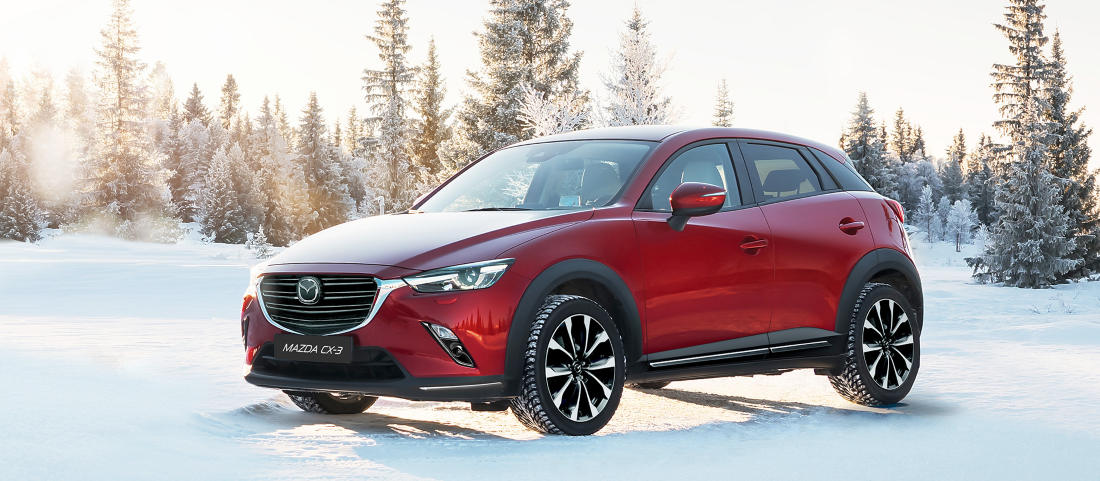
Visiting Iceland during winter?
Winter driving in Iceland can be different what you are used to. Not used to driving in snow or ice? Read more.
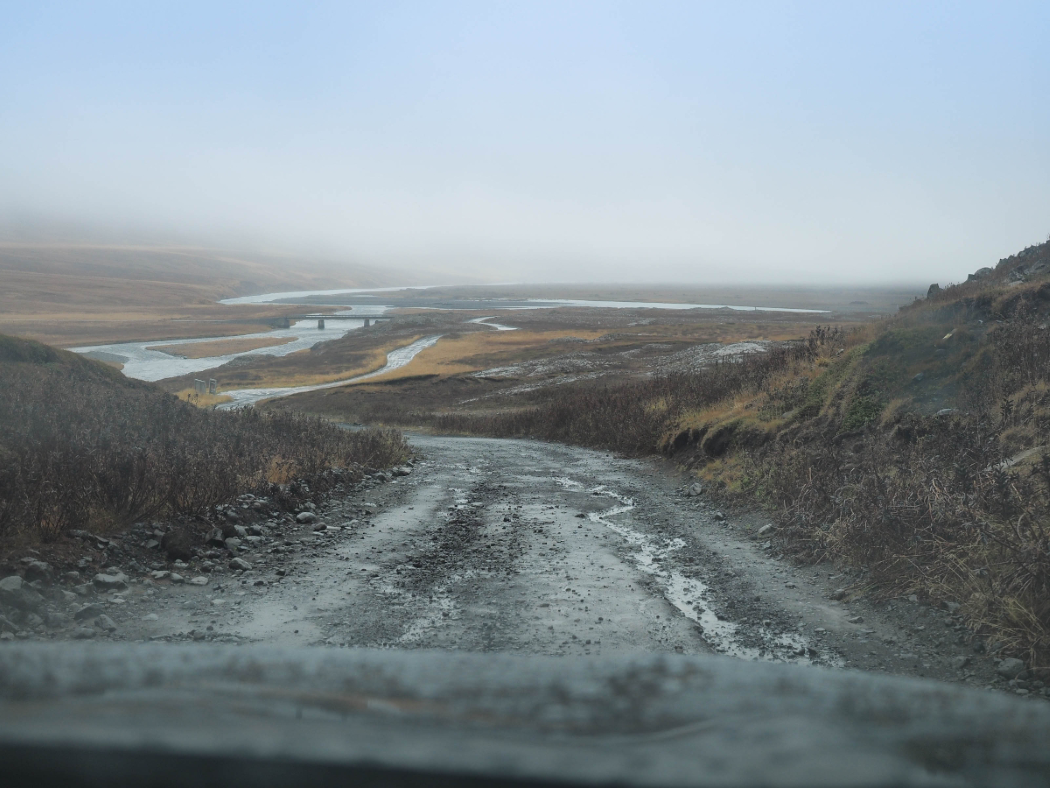
Renting an AWD/4×4 car?
F-roads are mountain roads that are only suitable for AWD/4×4 rental cars.